A Practical Review of the Taiyaki Plush ITH Pattern
When browsing for a new machine embroidery design, my criteria are pretty specific. It needs to have decorative appeal, stitch cleanly on real projects, and add value to the handmade products I create. The Taiyaki Plush ITH Pattern caught my eye recently, and I wanted to evaluate it from the perspective of someone who might use it for a real customer order—like a child’s apron, a kitchen towel, or a boutique embroidered patch. Here’s my honest take after considering it for commercial use.
First Impression: Sweet Detail and Craft-Friendly Personality
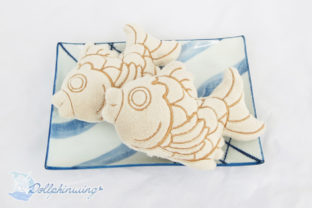
The immediate mood of this embroidery file is playful and sweet. The fish-shaped Taiyaki design leans into its dessert origins with a soft, plush-like aesthetic. The detail level appears thoughtfully balanced: it has character without being overly intricate, which is a plus for production. For embroidery designers, this means it likely won’t be a nightmare of tiny, dense fill stitch areas that chew up time and thread. Its personality is charming, making it a natural fit for projects targeting a gift-giving or whimsical market—think baby blanket accents, pillow covers for a cozy kitchen, or decorative tote bag designs.
Visually, it feels like a design that would translate well into a handmade gift. The appeal isn’t just in the subject matter (that fish-shaped treat is instantly recognizable to fans of Japanese culture), but in the stitching style suggested by the preview. It looks built for clean outlines and smooth fills, which is crucial for product photography and customer trust. A poorly stitching design can ruin a piece’s presentation; this one seems to avoid that risk.
Performance Across Real Embroidery Projects
So, where could you realistically use the Taiyaki Plush ITH Pattern? My mind goes straight to custom apparel and soft goods. For sweatshirt embroidery, especially on youth sizes, this would be a hit. On caps, the curved surface requires a design without extreme density, and this Taiyaki pattern looks adaptable if hooped correctly. For craft fair products or Etsy listings, it’s a standout piece that could define a niche—perhaps in nursery decor or food-themed kitchen accessories like aprons and towels.
Considering commercial embroidery products, its strength lies in its decorative consistency. If you run a small brand focusing on kawaii or dessert-themed merchandise, this design offers brand consistency. It’s also a prime candidate for creating embroidered patches, which are popular as standalone items. For digital product sellers, the design file itself could be incorporated into printable mockups for your shop, showing customers how it would look on a finished product.
Navigating Practical Embroidery Challenges
Every machine embroidery design has potential pitfalls. With a design like this, I’d be thinking about several key factors before running it on a customer’s item. First, stitch density in any plush-style areas. While it appears moderate, one must always test on scrap fabric of the same type you’ll use—a textured terry cloth for a towel or a stretchy knit for a sweatshirt. Dense areas on stretchy fabric can cause puckering without the right stabilizer.
Second, working on dark fabric versus light. The visual appeal of a design like this depends on thread color contrast. I would absolutely advise checking the product page for recommended color palettes or creating both light and dark fabric mockups digitally first to ensure the cuteness translates. Small details, like the Taiyaki’s facial expression or filling details, need to be inspected after a test stitch to confirm they remain clear.
Finally, the practical matter of hoop size. This isn’t a micro-design, but it likely isn’t a massive one either. For projects like baby items or kitchen towels, where you might be using smaller hoops, verifying the design’s dimensions is essential. You don’t want to discover it’s too large for that perfect spot on a pillow cover. Always confirm hoop size requirements from the Creative Fabrica embroidery product details before committing to a project.
Affecting Product Value and Customer Engagement
From a business standpoint, using a well-executed design directly impacts product value and handmade presentation. The Taiyaki Plush ITH Pattern, if it stitches well, elevates a simple item. A plain canvas tote becomes a specialty tote bag design. A basic apron becomes a themed gift. This enhancement is tangible for Etsy sellers and boutique merchandise creators. Good embroidery increases buyer trust because it signals quality craftsmanship.
The design’s inherent giftability is high. It’s non-seasonal but festive, perfect for birthdays, thank-you gifts, or treat-yourself items. This makes it excellent for seasonal handmade gift lines, even if not tied to a holiday. In product photography, a clean, cute embroidery like this pops, encouraging customer engagement and social sharing. For the creative entrepreneur, these are practical benefits that translate to sales.
Essential Pre-Production Steps
Before selling any finished product featuring this design, my workflow includes a few non-negotiable checks. Always review stitch density in your software preview. Look for potential trouble spots like clustered satin stitches or very small running stitch details that might vanish on certain materials.
Then, do a physical test. Hoop your scrap fabric with your usual stabilizer combination and run the digital embroidery file. This reveals everything: thread breaks, color changes, and whether those charming details hold up. Inspect small details after stitching—are the eyes crisp? Does the plush texture look intentional?
Lastly, and critically, confirm file details and licensing on the Creative Fabrica product page. This is a must for any commercial embroidery or sale of physical items made from the design. Understand the included formats and any usage terms. Never assume machine compatibility; verify the file formats work with your system.
Final Verdict for the Working Designer
The Taiyaki Plush ITH Pattern presents as a charming, commercially viable embroidery file. Its sweet visual mood and apparent balance of detail make it a strong candidate for a range of projects, from personalized gifts to craft fair products. Its success in real-world application hinges on the standard precautions: testing on your target fabric, managing density and stabilizer, and ensuring licensing clarity.
For embroidery designers, Creative Fabrica users, and small business owners looking for a reliable, appealing design asset, this pattern is worth considering. It has the potential to enhance your product lines with its unique theme and craft-friendly personality. However, its true worth is determined only by your diligent pre-production checks. Approach it as a professional, test it thoroughly, and it could become a delightful staple in your handmade product portfolio.