A Professional's Take on the Gekkota Bluework Design
When a client asks me to evaluate an embroidery file for their business merchandise, I look beyond just the visual appeal. I'm considering its performance on fabric, its impact on brand identity, and its practicality across a range of products. Today, I'm reviewing the Gekkota Bluework design for exactly that purpose. This reptile-themed embroidery design presents a unique opportunity for small businesses looking to add a distinctive, crafted touch to their branded items.
First Impression: Character and Professional Potential
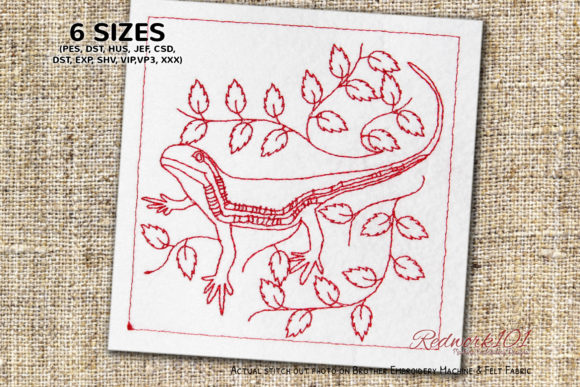
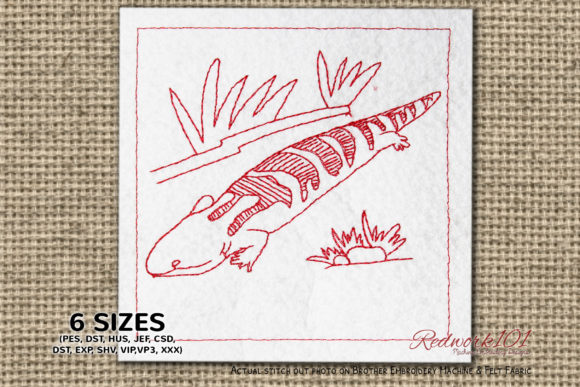
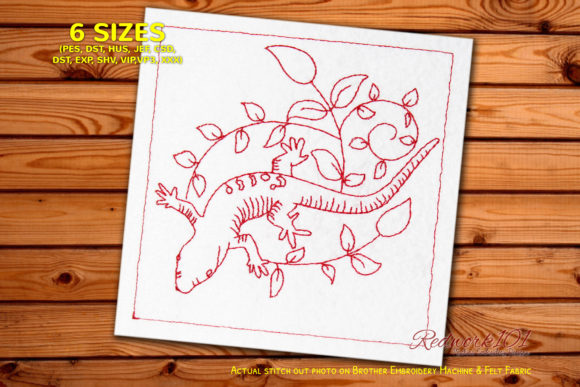
The Gekkota Bluework design strikes a balance between playful character and structured detail. The name suggests a bluework focus, which often implies a clean, monochromatic or limited-color palette that can feel both classic and modern. For a business, this is a strong starting point. A design that leans on a single color family can appear more cohesive and intentional, enhancing a sense of professionalism and visual consistency across different merchandise items. It doesn't scream overly childish or purely decorative; instead, it has a crafted, illustrative quality that could suit a brand wanting to feel approachable, creative, and slightly niche—perfect for cafes, boutiques, pet brands, or creative studios with a unique personality.
Real-World Application for Business Merchandise
The true test of any digital embroidery file is how it translates from screen to stitch on actual products. For Gekkota Bluework, its application is broad.
As an embroidered patch, this design could become a versatile brand asset. Patches are fantastic for tote bags, aprons, or even as product labels on handmade goods. The optional Box Stitch mentioned in the description is a critical detail here. For a standalone patch, that border can define the edge and give it a finished, professional look, especially if the outer box color contrasts with the main design—a common and effective technique. A well-defined patch made from Gekkota Bluework could be sewn or ironed onto staff uniforms, customer gift tote bags, or event merchandise, creating a tangible piece of brand identity.
For direct apparel decoration, this machine embroidery design has clear potential. As a chest logo on staff polo shirts or a subtle sleeve detail on work shirts, the design's likely intricate lines would convey attention to detail. On an apron for a bakery or florist, it becomes both a functional uniform mark and a stylish accent. Cap embroidery is another key market; however, this requires careful consideration of size and stitch density to ensure the design remains clear on the curved, smaller front panel of a cap.
Points of Caution for Production Success
Every design has its considerations, and a professional embroidery designer always tests before full production. For Gekkota Bluework, I would advise a few specific checks.
- Scale Testing: Always test the file at the intended final size, especially for small applications like cap fronts or tiny product labels. Detailed outlines and fine features in a reptile design might lose definition if scaled down too aggressively.
- Color and Contrast: The description notes the outer box color is often different. This is a crucial point for brand visibility. On dark uniforms or bags, you must ensure the chosen thread colors, both for the box and the main bluework, have sufficient contrast against the fabric background to remain legible and impactful.
- Fabric and Stabilizer Compatibility: This design will behave differently on a canvas tote bag versus a smooth cotton polo. Always pair the embroidery file with the correct stabilizer and test on a scrap of the actual production fabric. Textured fabrics can obscure finer details.
- Durability: For items like work shirts or aprons that need frequent washing, evaluate the stitch density. Very dense areas can feel stiff and may wear differently over time. A balanced density ensures the design remains integral through use.
Elevating Brand Identity and Customer Perception
Investing in custom embroidery like Gekkota Bluework is an investment in your brand's perceived value. A well-executed embroidered logo on a cap or tote immediately elevates the item from generic to premium. It signals a commitment to quality and craftsmanship, which builds customer trust. For a handmade shop or Etsy seller, using this design on your product packaging or your own workshop apron reinforces your handmade presentation and visual consistency. It turns a simple product into a cohesive brand experience.
This design, when used thoughtfully, enhances recognition. A customer seeing the same distinctive reptile motif on your staff's apron, your store's tote bags, and your event merchandise creates a strong, memorable association. It’s more than decoration; it’s a commercial embroidery asset that engages buyers and makes your business feel established and deliberate.
Practical Designer Notes Before You Start Production
Before you run this file on your first batch of merchandise, follow this quick checklist. These steps save time, material, and ensure the final product meets your brand standards.
- Create a Black & White Test: Stitching a single-color version first helps you see the pure structure of the design, identifying any potential issues with spacing or definition without the distraction of color.
- Confirm Technical Details: While the description provides helpful notes on the optional Box Stitch, you must verify the specifics: the exact hoop size required, the total stitch count, and the commercial licensing terms of the digital embroidery file. Never assume.
- Produce a Physical Sample: Hoop up your test fabric, use your chosen stabilizer, and stitch the full Gekkota Bluework design. This is the only way to truly assess its appearance and feel.
- Make a Printable Mockup: For client approval or your own planning, create a mockup of the design on a photo of a cap, tote, or apron. This visual helps everyone envision the finished product.
- Contextualize It: Compare the stitched sample beside your other design assets. Does Gekkota Bluework fit with your brand's overall visual language? Does it feel like a part of your business, or just a nice image?
In conclusion, the Gekkota Bluework embroidery design offers a solid foundation for businesses seeking a unique, embroidered brand element. Its character is suitable for creative, personality-driven brands, and its structure suggests good versatility across patch and apparel applications. With diligent pre-production testing—focusing on scale, color contrast, and fabric compatibility—this design can transition from a digital file into a powerful, tangible asset that boosts your brand's professionalism, recognition, and value in the marketplace.