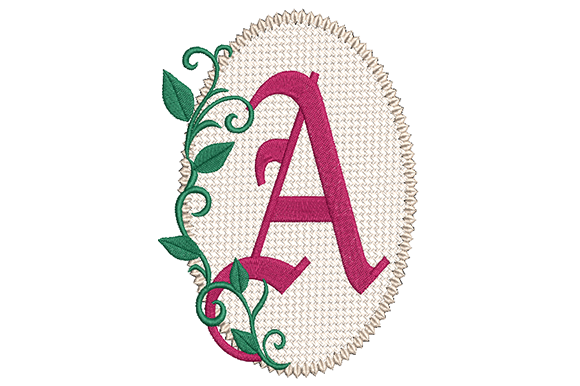
A Review of the Olde English Leaf Monogram Letter A
As a professional embroidery designer, I’m constantly evaluating new embroidery files for their potential in real projects. When considering the Olde English Leaf Monogram Letter A from Creative Fabrica for a recent client order, I took a detailed look at how it would perform beyond just the digital preview. This review is based on that practical assessment, considering its use for handmade products and commercial embroidery.
First Impression: Decorative Elegance with a Practical Foundation
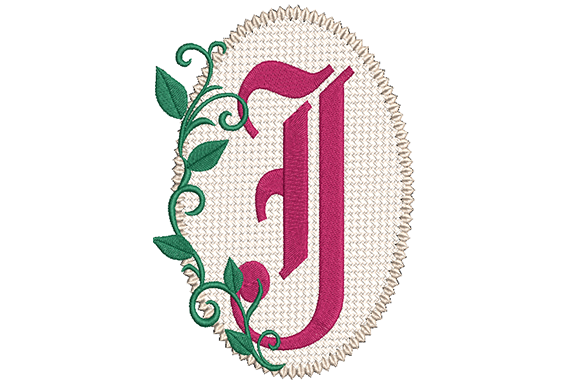
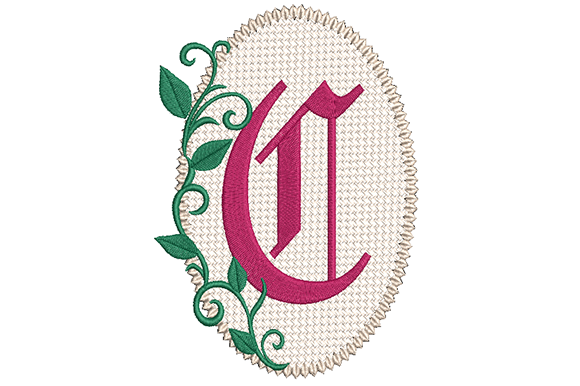
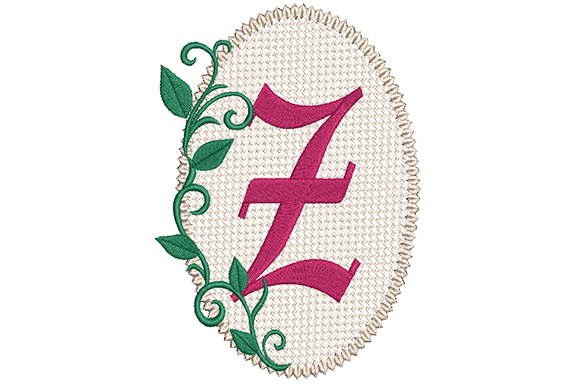
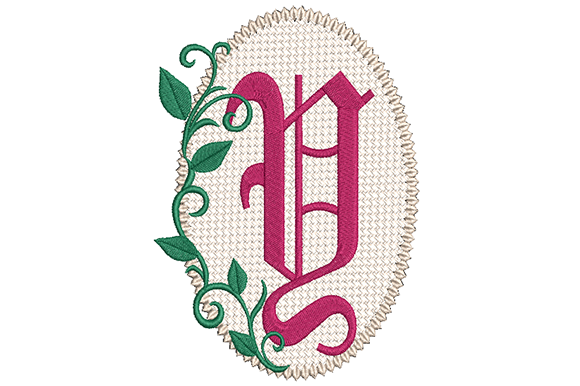
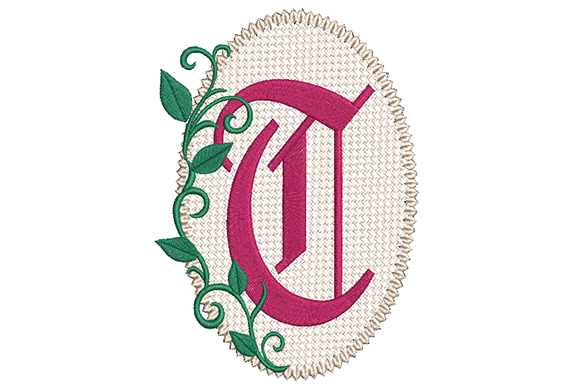
The Olde English Leaf Monogram Letter A immediately presents a mood of classic, ornate charm. The design isn’t just a letter; it’s a decorative element. The integrated leaf motif adds a level of detail that elevates it from a simple monogram to a standalone piece of art. This stitching personality is clearly decorative, aiming for visual impact rather than minimalist simplicity. It naturally fits projects where the embroidery is the central feature, not just an accent.
Given its category as a Wedding Monogram, that application is obvious, but its utility is broader. My first thought was of items like pillow covers for a nursery, elegant tote bags, or premium apron designs. The "knockdown stitch" mentioned in the description is a key practical point. This suggests the designer has considered real-world application on textured fabrics, which is a thoughtful touch often missing in purely decorative files.
Performance Across Real Embroidery Projects
When envisioning this embroidery file on various products, its strengths and considerations become clear.
Custom Apparel and Home Goods
For sweatshirts, hoodies, or baby blankets, the ornate nature of the Olde English Leaf Monogram Letter A can create a high-value look. It would work beautifully as a single, focal point on the chest of a sweatshirt or centered on a pillow cover. The fact it can be sewn in three colors offers fantastic customization for brand colors or client preferences. For kitchen towels—specifically the plush terry cloth mentioned—the knockdown stitch feature is crucial. It should help prevent the design from sinking into the fabric texture, ensuring crisp definition.
Commercial and Small Business Applications
For Etsy sellers and boutique owners, this design can elevate product listings. An embroidered tote bag or cap featuring this monogram moves from a generic handmade item to a bespoke, personalized gift. Its intricate appearance can boost perceived value in product photography, aiding customer engagement. For patches, the density of the satin stitches and fill areas in the letter and leaves would need evaluation; a very dense design might be stiff for a flexible patch. Always check the actual stitch count in the product details.
Practical Use Considerations for a Smooth Stitchout
Success with any embroidery file hinges on anticipating its demands. Here’s how I considered the Olde English Leaf Monogram Letter A.
- Small Details and Hoop Size: The fine details in the leaf veins and letter curves require a precise stitchout. I would not attempt this on a large, unstable hoop. A smaller, tight hoop is recommended to maintain registration. The product page should specify the minimum recommended hoop size; always confirm this before starting.
- Stitch Density and Fabric Choice: Ornate designs often have dense fill areas. On stretchy fabrics like certain sweatshirt materials, high density can cause puckering. On dark fabrics, the choice of thread colors becomes even more critical for contrast. Testing on a scrap of the intended material is non-optional.
- Complex Surfaces: For curved surfaces like caps, the design’s overall size and detail level are important. Small, intricate elements might get lost or distort on a curved seam. Again, a test run is your best insurance.
- End-Use Durability: For items like towels or baby blankets that need frequent washing, the stability of the stitches is key. Using proper stabilizer for the fabric type and ensuring good thread coverage will help the finished product withstand use and maintain its handsome presentation.
Impact on Product Value and Customer Trust
Using a well-executed embroidery file like this directly affects your business. For creative entrepreneurs, the visual appeal of the Olde English Leaf Monogram Letter A can enhance brand consistency if used across a line of products, like a series of monogrammed kitchen linens. It adds a "handmade premium" feel that generic fonts often lack.
The giftability of items adorned with this design is high. It feels personal and crafted. For digital product sellers using it in printable mockups, it serves as a strong, realistic design asset that can help sell the concept of a customized finished product. Ultimately, a clean, professional stitchout of a detailed design builds buyer trust—they see the care and skill invested.
Essential Embroidery Notes Before You Stitch
Before committing this design to a client order or inventory item, my process involves several checks.
- Verify the File Details: Always review the Creative Fabrica embroidery product page for the exact specifications: available file formats for your machine, any included applique elements, and the license terms. This is vital for commercial embroidery and selling finished products.
- Conduct a Fabric Test: Stitch it out on a scrap of your target fabric (and a similar weight stabilizer) first. Examine the small details after stitching. Are the leaf veins clear? Does the satin stitch on the letter edges look smooth?
- Plan Your Thread Colors: The three-color flexibility is a advantage. Create light and dark fabric mockups digitally or with color swatches to preview contrast. Remember, thread choice can dramatically alter the mood from vintage to modern.
- Inspect the Stitch Density: Watch the machine during a test run. Are there areas with excessive backtracking or very tight fill stitches? This might indicate a need to adjust tension or stabilizer for your specific fabric.
Is the Olde English Leaf Monogram Letter A Worth Using?
From a professional designer’s perspective, this embroidery file shows promise for specific applications. Its thoughtful inclusion of a knockdown stitch for textured fabrics indicates real-world design thinking. It excels where a decorative, central monogram is desired—on towels, premium apparel, and home decor items. Its suitability for dense fabrics like terry cloth is a notable strength.
However, its intricate detail level demands careful setup and testing, especially on stretchy fabrics, curved surfaces, or for very small hoop sizes. It is not a "throw-it-on-anything" design. For embroidery designers and small business owners looking for an elegant, customizable monogram with some practical fabric consideration built-in, the Olde English Leaf Monogram Letter A is certainly worth exploring. Your final success will hinge, as always, on pairing the right digital embroidery file with meticulous real-world embroidery practice.