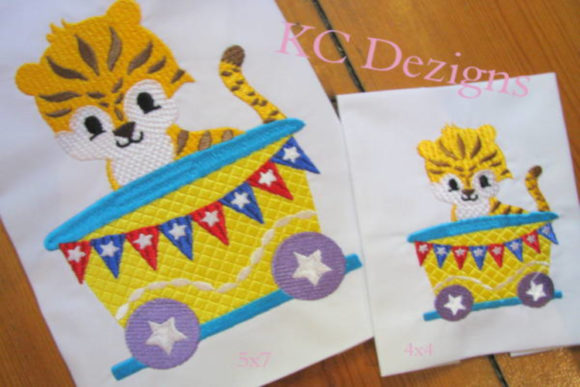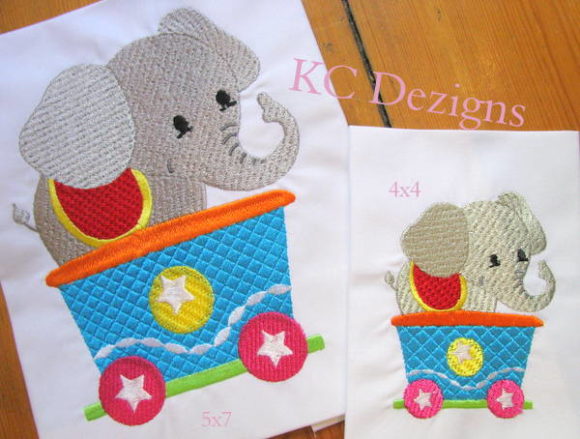
Embroidery Design Review: Elephant Sitting in Train
As an embroidery designer working with small businesses on branded merchandise, I’m constantly evaluating new designs for their commercial potential. Today, I’m reviewing the Elephant Sitting in Train embroidery file, looking at it strictly from a business application perspective. This isn’t just about completing an embroidery collection; it’s about assessing its power as a tool for brand identity.
First Impression: A Blend of Playfulness and Professional Charm
The title Elephant Sitting in Train immediately sets a friendly, whimsical tone. For businesses like a children’s boutique, a creative studio, a family-run café, or a playful pet brand, this visual personality is a strong starting point. The design feels handmade and approachable, which can be a premium asset for brands wanting to convey warmth and authenticity. It’s not overly rustic or aggressively modern; it sits in a comfortable space that appeals to a sense of classic, cute charm. This first impression suggests it could translate well into merchandise that feels both professional and personally crafted.
Real-World Business Applications for Branded Merchandise
Let’s move beyond the quilt block and consider real small business scenarios. Imagine a local bakery wants embroidered aprons for staff. A florist seeks a unique mark for their tote bags. A café needs a subtle chest logo for uniforms. A handmade shop on Etsy wants a consistent brand asset for product labels. Here’s where Elephant Sitting in Train gets practical.
Primary Uses for Brand Identity
- Embroidered Patches: This design is a prime candidate for a custom patch. It could serve as a product packaging accent sewn onto hang tags, or as a larger badge for event merch or customer gifts. The cohesive scene lends itself to a standalone brand symbol.
- Staff Apparel & Uniforms: As a chest logo or sleeve detail on polo shirts, work shirts, or aprons, it offers a friendly brand touch without overwhelming the garment. For a business with a “boys” or family focus, it reinforces a specific, welcoming vibe.
- Cap Embroidery: The contained, central composition makes it suitable for the front panel of caps, a popular item for team merch or customer loyalty gifts.
- Tote Bag Design: Embroidered onto a canvas tote, it becomes a wearable, reusable piece of brand marketing for boutiques and shops.
- Printable Mockups & Digital Assets: Even before stitching, this design file can be used in digital mockups for client approval, website graphics, or social media content, building visual consistency across all touchpoints.
Critical Considerations for Production Success
Its cute appeal is clear, but successful commercial embroidery depends on technical execution. Here are key points a business must evaluate before production.
Where to Use With Care
Not every application is ideal. Based on the description, we must advise caution in several areas:
- Small Patch Sizes: If the design is scaled down excessively for a tiny product label, the details of the elephant and train may lose clarity. Always test it at the intended final size.
- Curved Surfaces & Cap Fronts: While suitable, the design's proportions need to be checked against the specific cap curve to ensure no element gets distorted in the hoop.
- Dark Uniforms & Thread Contrast: On dark fabric, the thread color palette becomes crucial. A test stitch on the actual uniform material is non-negotiable to ensure the design remains bold and visible.
- High-Stitch Density Areas: Without knowing the exact stitch count, advise checking the file for potentially dense sections that could cause puckering on lightweight fabrics like some apron materials.
- Items Requiring Frequent Washing: For work shirts or aprons that endure heavy wash cycles, the integrity of the design outlines and fill areas must be robust. Using proper stabilizer during embroidery is paramount.
Practical Designer Notes for Business Readiness
Before committing this design to a commercial embroidery project, follow these steps:
- Test in Black and White First: Stitch a sample using only a single high-contrast thread color. This reveals the core structure and outlines, proving if the design holds its form without color dependency.
- Review Thread Color Contrast: Select a palette that aligns with your brand but also provides clear separation between the elephant, train, and background elements.
- Inspect Spacing and Hoop Size: Confirm the design fits comfortably within your standard hoop sizes for production efficiency.
- Test on Real Fabric: Don’t trust simulations. Stitch on a scrap of the exact fabric used for the final product—be it apron twill, cap mesh, or tote bag canvas.
- Create a Mockup for Client Approval: If you’re the embroiderer for a business client, provide a physical stitched sample or a high-quality digital mockup for their brand team to approve.
- Compare Beside Other Brand Assets: Place the embroidered sample next to your business’s logo, fonts, and other visuals. Does Elephant Sitting in Train enhance your brand identity, or clash with it?
- Confirm Commercial Licensing: The product description mentions collection completion, but always verify the license terms of the digital embroidery file. Ensure it permits use on merchandise for sale and commercial client projects.
The Impact on Brand Identity and Customer Perception
Choosing Elephant Sitting in Train for your business merch is a brand statement. It affects more than just aesthetics.
It can bolster customer trust and recognition by presenting a consistent, charming symbol across your touchpoints—from the apron a server wears to the patch on a product bag. This visual consistency signals professionalism and attention to detail.
For a handmade presentation, this design inherently supports that narrative. It feels crafted, not corporate, which can increase perceived product value for Etsy sellers and craft businesses.
Ultimately, it drives buyer engagement. A cute, well-executed embroidery on a tote bag or cap invites conversation, makes the brand more memorable, and can turn a simple item into a cherished customer gift or sought-after event merch piece.
Final Assessment for Small Business Use
The Elephant Sitting in Train embroidery design presents a significant opportunity for businesses aiming for a friendly, handmade brand identity. Its strength lies in its adaptable, cohesive scene suitable for patches, apparel, and accessories. However, its business success hinges entirely on rigorous pre-production testing—sizing, contrast, fabric, and licensing. When applied thoughtfully, it’s more than a cute design; it becomes a versatile asset for building a recognizable and warmly professional brand through custom apparel and small business merch.