Stentor Redwork: A Music Embroidery Design Review
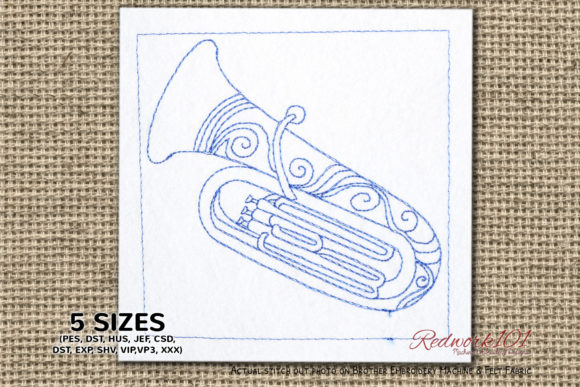
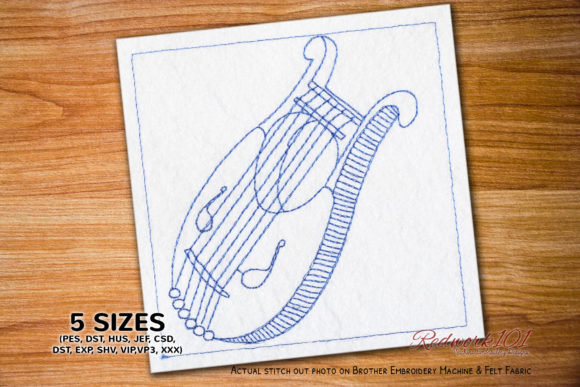
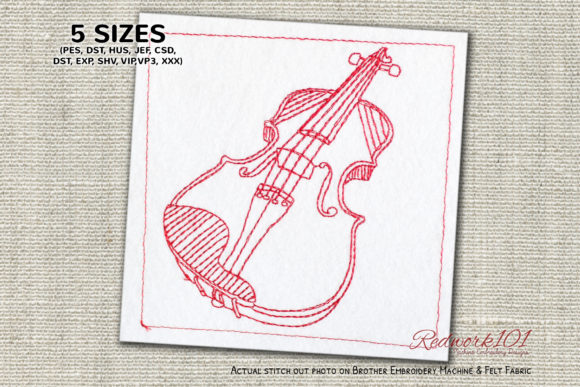
As an embroidery designer preparing for a weekend craft fair, my first task is to evaluate new designs for their real-world selling potential. When I look at Stentor Redwork, its description—a wooden string instrument from the violin family—sets a clear and classic tone. The initial impression is elegant, decorative, and premium. It feels less like a cute or funny motif and more like a sophisticated nod to music and craftsmanship. This gives it a distinct place in a booth, appealing to customers with an appreciation for the arts, classic decor, or personal hobbies like playing or listening to music.
Where Stentor Redwork Stands Out on the Sales Table
In a display filled with embroidered tote bags, aprons, tea towels, and pillow covers, Stentor Redwork would catch the eye as a design of substance. It's not a background filler; it's a focal point. For craft fair sellers, this means placing it on products where its detail can be appreciated. A large, clean canvas like a tote bag or a pillow cover allows the instrument's shape and optional Box Stitch detail to shine. On a smaller item like a cap or a pouch, it becomes a more subtle, quality accent. The key is that it conveys a sense of handmade quality and niche interest immediately.
This design would perform exceptionally well on items that feel "giftable." An embroidered tea towel or a linen apron with Stentor Redwork becomes a special present for a musician, a music teacher, or someone with a classic home decor style. For Etsy sellers and digital sellers, this story translates easily into listing photos and descriptions, adding perceived value.
Practical Production for Market Success
Turning a machine embroidery design into a sellable craft fair product requires thinking about production ease and final appearance. Here, the design's clarity is a major advantage. A violin is instantly recognizable, meaning customers understand the product at a glance—a crucial factor in a busy market environment. However, the note about the optional Box Stitch and the potential for color variation in the outer box means I need to be meticulous in my setup.
Key Considerations Before Hooping Fabric
- Test on Scrap Fabric: Always embroider the Stentor Redwork file on a scrap of your intended product fabric first. This reveals how stitch density interacts with textured towels or thick bag fabric.
- Check Thread Contrast: The design's elegance depends on clean lines. On dark fabric, you must ensure your thread colors pop. On light fabric, a classic red or black would likely be striking.
- Review Spacing and Scale: Evaluate whether tiny details, like fine instrument lines, remain crisp at your intended size. It may lose clarity if reduced too much for a small patch.
- Confirm Hoop Size and Stabilizer: The design's likely detail demands a stable foundation. Using the correct stabilizer for the fabric texture—whether for a curved cap surface or a flat tea towel—is non-negotiable.
- Create a Real Mockup: Before batch production, make one finished product, like a tote bag or pillow cover. This tests photography for online listings and assesses its physical appeal in your booth.
Maximizing Customer Attention and Booth Impact
For boutique makers and creative entrepreneurs, a design must do more than look nice; it must pull customers in and justify its price. Stentor Redwork helps by feeling inherently valuable. It's not a mass-market graphic; it's a specialized embroidery file that suggests skill and care. In a booth display, grouping several products featuring this design—a tote, a towel, and a pouch—creates a strong, cohesive section that tells a story about music and quality. This strengthens brand consistency for a small shop.
Buyer engagement often comes from storytelling. A customer might stop because they play the violin, or because the design reminds them of a concert. This emotional hook is a sales advantage you can leverage in person and in your Etsy shop product descriptions.
Careful-Use Notes for Specific Products
Not all products will be ideal carriers for this design. Your choice depends on preserving its visual appeal.
- Tote Bags & Market Bags: Excellent. Large surface area showcases the design as a premium feature.
- Aprons & Tea Towels: Strong choice for the kitchen of a music lover. Ensure fabric texture doesn't obscure details.
- Pillow Covers: A fantastic home decor application, feeling decorative and premium.
- Caps: Possible, but the curved surface and smaller size might simplify the design. Test extensively.
- Embroidered Patches: Only if the file can be simplified or enlarged enough to keep detail clear. Small lettering or dense stitch areas might become muddled.
- Fabric Pouches & Giftable Items: Very good. Adds a touch of handmade quality to a useful item.
Final Designer Advice Before Selling
My last step before committing Stentor Redwork to my production schedule is a practical checklist. I must compare fabric colors with my thread palette to maximize contrast. I need to inspect stitch density from my test run to ensure it's not too dense for delicate fabrics or too sparse for a robust look. Crucially, I must confirm commercial licensing for the digital embroidery file before selling any finished products. The product description doesn't specify these terms, so checking with the file provider is essential.
Ultimately, this design has the hallmarks of a successful handmade product for a discerning market. It's elegant, recognizable, and tells a story. By placing it on the right products and preparing it with professional embroidery care, Stentor Redwork can become a standout element in your craft fair booth and your online shop, attracting customers who value the blend of music and meticulous embroidery craftsmanship.