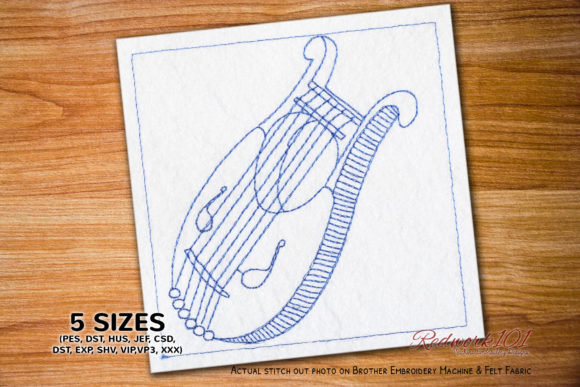
Classics for Kids Redwork: A Review for Branded Merchandise
As an embroidery designer who works with small businesses daily, I often evaluate new designs through a practical lens. When considering Classics for Kids Redwork for client merchandise, my first impression is of a design that strikes a balance between classic and playful. The "Redwork" style hints at a traditional, single-color approach, which can feel both timeless and handmade, while the "Classics for Kids" theme suggests a friendly, accessible charm. This combination can be incredibly effective for businesses aiming to project a warm, professional, and trustworthy image.
Visual Personality and Business Applications
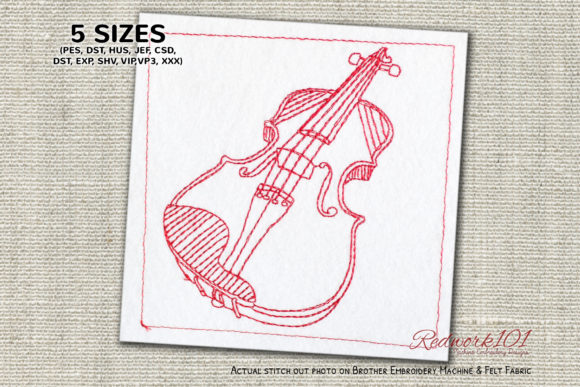
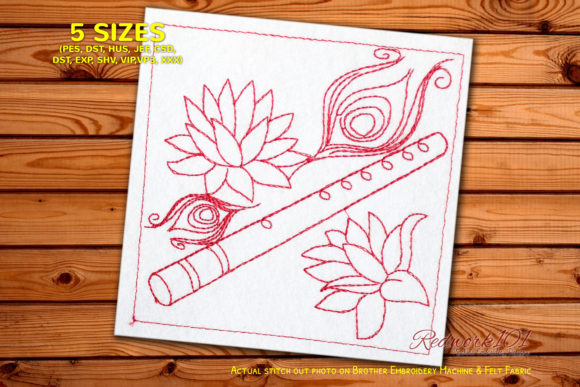
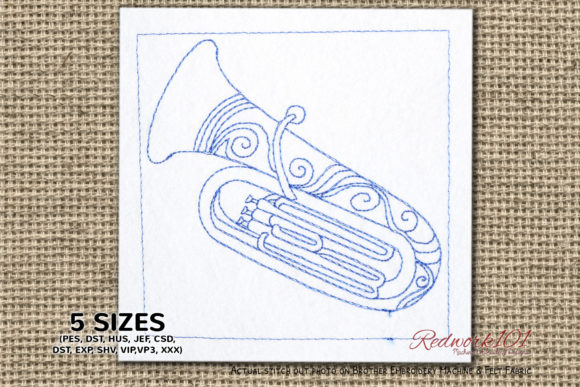
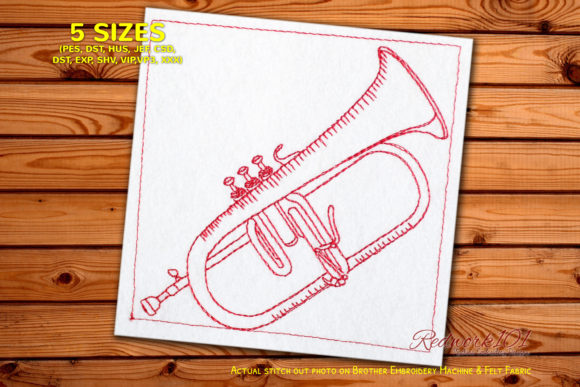
The described design, with its optional box stitch, presents an interesting opportunity. The fact that the outer box color can be skipped unless part of the design itself gives you flexibility. This means the core artwork can stand alone, making it versatile for different applications. For a small business, this design could lean towards a rustic, handmade feel if used as a simple redwork motif, or it could feel more structured and modern if the defining box is included in a contrasting thread color. This adaptability is a key asset.
Where Classics for Kids Redwork Excels in Merchandise
For a café, boutique, studio, or any local business looking to create embroidered branded items, this design has strong potential. Its likely classic, illustrative nature makes it suitable for:
- Embroidered Patches: This could become a beautiful sew-on or iron-on patch for customer hats, bags, or jackets. The single-color or limited-color palette often associated with "redwork" can keep production costs manageable while offering a premium, crafted look.
- Staff Uniforms & Aprons: As a chest logo accent or sleeve detail on polo shirts, or centered on an apron, it adds professionalism without being overly corporate. It signals a business that cares about details.
- Cap Embroidery: On the front of a baseball cap, a clean, classic design like this enhances brand recognition at events or in daily operations.
- Tote Bag Marks & Product Labels: Embroidered onto a reusable tote bag, it turns a simple product into branded merchandise. For a handmade shop, a small version could serve as a subtle brand mark on product packaging or tags.
- Customer Gifts & Event Merch: Its friendly, potentially music-themed character (given the product category) makes it ideal for special giveaway items or limited-run merchandise, building customer engagement.
Navigating Potential Use Considerations
Every embroidery design requires careful planning for real-world application. Based on the description, here are areas to consider with Classics for Kids Redwork for your commercial embroidery projects.
- Small Patch Sizes: If the design has intricate details or lettering, test it at a very small size (like 1.5 inches) to ensure clarity. Redwork often uses outlines, so spacing is crucial.
- Cap Fronts & Curved Surfaces: The optional box might need adjustment on curved surfaces like caps. A simpler, box-free version may stitch more cleanly on these challenging areas.
- Fabric Texture & Color: On dark uniforms or textured fabrics like twill, the chosen thread color (even if just red) must have strong contrast. Always test on a scrap of the actual production fabric.
- High Stitch Density: If the design is dense, it can be stiff on lightweight garments like t-shirts. Proper stabilizer choice is non-negotiable.
- Frequent Washing: For aprons or work shirts that undergo heavy laundering, a robust, tightly stitched design will last longer. Review the stitch structure.
Impact on Brand Identity and Customer Perception
Using a design like Classics for Kids Redwork on your merchandise isn't just decoration; it's a brand investment. A well-executed embroidered mark communicates quality and care. It elevates a simple tote bag into a branded product that customers are proud to carry. On staff uniforms, it fosters visual consistency and professionalism, building customer trust. For a handmade brand or Etsy seller, it adds a tangible, artisanal touch to your products, increasing their perceived value. This design, with its classic and friendly vibe, can help a business feel approachable yet established, encouraging buyer engagement and loyalty.
Practical Designer Notes Before You Stitch
Before running this embroidery file on a production order, I recommend a standard pre-flight check.
- Test in Monochrome First: Run a test stitch-out, perhaps even in black on white fabric, to evaluate the form and outline integrity without color distracting you.
- Verify Small-Scale Performance: Hoop it at the smallest size you intend to use (e.g., for a cap) and stitch it. Check for clarity and puckering.
- Review Thread Color Contrast: If using the optional box in a different color, ensure the two colors separate cleanly and read well.
- Confirm Hoop Size & Stabilizer: Match the digital embroidery file's required hoop size to your machine capabilities. Use a stabilizer appropriate for your target fabric (cutaway for permanent items like patches, tear-away for lightweight apparel).
- Create a Printable Mockup: Before client approval, place the design on a digital mockup of a cap, apron, or tote bag. This helps visualize the final product.
- Compare Design Assets: Hold the stitched sample beside your other brand logos or graphics. Does it complement your visual identity?
- Confirm Commercial Licensing: The product description doesn't specify license terms. Always verify that your purchase or the design's license allows for commercial use on merchandise you sell. This is a critical, non-optional step for any business.
Ultimately, Classics for Kids Redwork appears to be a design asset with significant potential for small business merchandise. Its classic, potentially music-influenced style and structural flexibility make it a candidate for creating professional, engaging branded patches, apparel, and accessories. By methodically testing it for your specific applications—from aprons to tote bags—you can leverage it to strengthen your brand's handmade presentation and market presence. Remember, successful commercial embroidery hinges on preparation, testing, and ensuring every stitch aligns with your business's quality standards.