Music Clef Embroidery Design: A Professional’s Honest Review
As a professional embroidery designer, I spend a lot of time evaluating digital embroidery files for real-world use. It’s not just about a pretty picture; it’s about how a design stitches out, holds up on various materials, and ultimately adds value to a finished product. Today, I’m sharing my thoughts on the Music Clef embroidery design from Creative Fabrica, approaching it as if I’m considering it for a custom customer order.
First Impressions: Decorative Appeal and Mood
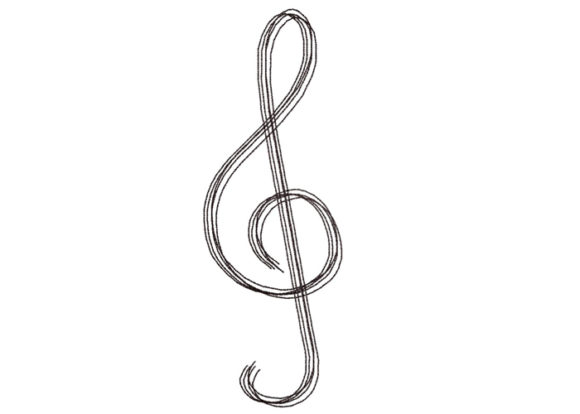
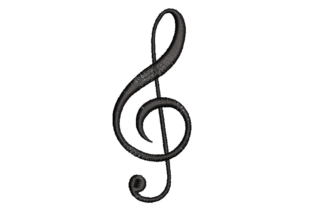
The Music Clef design presents a classic, elegant motif. Its visual mood is timeless and artistic, leaning towards decorative rather than overly bold or graphic. For a designer, the initial appeal is its versatility. This isn’t a design that shouts; it whispers sophistication. It naturally fits projects that require a touch of personal, cultured flair. I immediately thought of items like a musician’s tote bag, a subtle emblem on a sweatshirt, nursery decor for a music-loving family, or a beautiful accent on a pillow cover or kitchen towel.
The detail level appears balanced, suggesting it should translate well into stitches without becoming too dense or too sparse. The design’s personality is clean and linear, relying on the iconic shape of the clef itself to carry the decorative weight. This simplicity is often a strength for machine embroidery, especially when working on textured or stretchy fabrics where overly intricate details can get lost or cause puckering.
For Custom Apparel and Home Decor
Considering a real customer order—say, a personalized gift for a piano teacher—I’d look at the Music Clef for placement on a premium cotton tote bag or a linen apron. The design’s elegant lines would elevate these everyday items into something special. For apparel like sweatshirts or caps, the key consideration would be stitch density and how it interacts with the fabric. Curved cap surfaces, for instance, require designs that aren’t too wide or tall to avoid distortion. The linear nature of the Music Clef suggests it could adapt well, provided the final file dimensions are appropriate.
For baby items like a blanket or a knit sweater, the design’s gentle aesthetic is perfect. However, on stretchy knits, the practical use of a robust stabilizer becomes critical to prevent the stitches from pulling. This design doesn’t look like it has large, solid fill stitch areas, which is good for lighter fabrics, but any dense satin stitch sections would need careful thread and stabilizer selection.
For Commercial Embroidery and Small Businesses
For Etsy sellers, craft fair vendors, and boutique owners, the Music Clef offers a niche product opportunity. It’s a clear design asset for creating a line of music-themed merchandise: embroidered patches, pillow covers, or even framed hoop art. Its clarity should lend itself well to product photography, making listings look professional. When used consistently across a product range—say, on towels, bags, and apparel—it can help build brand consistency for a shop focused on artistic or musical gifts.
For commercial embroidery projects where durability is key, such on items needing frequent washing like kitchen towels or aprons, the stitch execution is paramount. A well-digitized file with secure running stitches and proper underlay will ensure the Music Clef holds up. This is where reviewing the actual stitch density in the embroidery file before purchase is essential.
Practical Embroidery Notes and Considerations
Before committing this design to a project, my standard process involves several checks. First, I always advise testing on scrap fabric of the same type you plan to use. This reveals how the Music Clef interacts with textured fabric or dark fabric where thread color contrast is vital. A white or light thread on a dark backdrop would make this design pop, but you need to see the actual stitchout.
It’s crucial to review the product details on Creative Fabrica for specifics. Check the listed hoop size requirements to ensure it fits your machine and project scale. Small hoop sizes are fantastic for quick, small applications like patches, but if the design has tiny lettering or exceptionally fine details, they might require a higher-quality machine or specific needle settings to stitch cleanly.
Always inspect small details after a test stitch. Look for jump stitches that might need trimming and check that layered details, if present, are stable. Using the proper stabilizer for your base material is non-negotiable for a clean finish. Finally, and this is vital for any business use, confirm the file details and licensing on the Creative Fabrica product page before selling finished items. Understanding the commercial use terms is part of professional practice.
Affecting Product Value and Customer Trust
A well-embroidered Music Clef can significantly enhance a handmade product’s value. It transforms a simple item into a personalized gift with emotional resonance. The visual appeal is clean and professional, which directly impacts buyer trust. A messy, poorly executed embroidery can undermine a customer’s perception of your brand, while a crisp, beautiful clef design reinforces quality.
For giftability, this design hits the mark. It’s universally understood and appreciated, making items feel thoughtfully curated. In terms of customer engagement, a design like this can be a conversation starter, especially if paired with other musical elements or custom text. It also works beautifully in printable mockups for digital product sellers showcasing their embroidery file offerings, allowing customers to visualize the final product.
Is the Music Clef Embroidery Worth Using?
From a professional standpoint, the Music Clef design from Creative Fabrica appears to be a solid, versatile choice for many projects. Its strength lies in its classic aesthetic and likely straightforward stitch execution, making it suitable for designers and makers at various skill levels. For real project use—whether for a custom tote bag, a boutique sweatshirt, or a seasonal handmade gift—it promises decorative success.
The final decision, however, always rests on those practical checks. Its worth is confirmed only after you verify the file specifics for your machine, perform a test stitch on your intended material, and ensure its commercial license aligns with your business needs. If those boxes are checked, this lovely embroidery design could become a reliable and appealing asset in your creative toolkit.