Craft Fair Review: The Playful Baby Hippo Bib
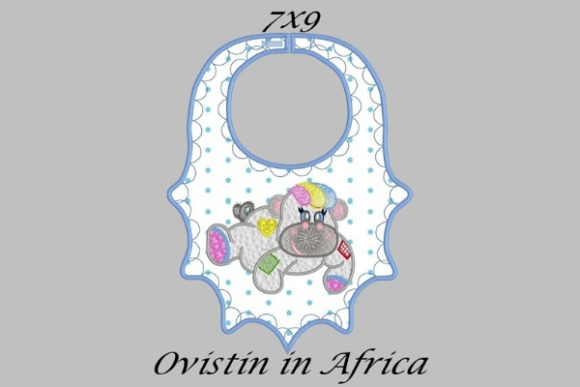
As an embroidery designer prepping for a weekend market booth, every new design gets a practical review. My table is stacked with tote bags, aprons, tea towels, caps, and small gift items. Today, I’m evaluating the Playful Baby Hippo Bib Small, an in-the-hoop (ITH) design marketed for nursery use. My first impression? It’s squarely in the cute and playful category. The title suggests a charming character, perfect for baby products. The fact it’s an ITH bib for newborns to six months tells me it’s a finished, usable product right from the hoop. That’s a strong start.
Where This Hippo Design Stands Out on the Sales Table
For craft fair sellers, visual hierarchy matters. Customers scan quickly. A playful animal design needs to pop amidst more utilitarian items. I imagine the Playful Baby Hippo Bib Small as a standalone finished bib, displayed on a small shelf or pinned to a fabric panel. It wouldn’t be my only product from this file, however. The core artwork—that hippo—has potential beyond the bib. My mind goes to small, giftable items: fabric pouches, pillow covers for nursery decor, or even as a focal point on a simple market bag. For boutique makers, a coordinated set (bib, pouch, pillow) creates a premium feel and increases perceived value.
Testing the Design Across Different Products
Before committing to batch production, I test a machine embroidery design on various substrates. For the Playful Baby Hippo Bib Small, I’d consider:
- Tote Bags & Market Bags: As a smaller accent design near a corner or handle, it adds a sweet, handmade touch. On darker fabric, thread contrast is crucial.
- Aprons & Kitchen Towels: While less obvious for nursery, a playful hippo on a tea towel can appeal to grandparents or as a fun kitchen gift. Textured towels require good stabilizer.
- Caps: Embroidered on a child’s cap, it could work, but curved surfaces and small details need careful hooping.
- Embroidered Patches: This is a great option. The design likely has clean edges from the ITH process, making it ideal for a patch appliqué on blankets or bags.
- Pillow Covers & Small Pouches: Perfect for nursery-themed items. It becomes a decorative focal point.
The key is that the design should feel repeatable. Can I efficiently produce ten bibs or twenty patches without constant tweaking? The ITH bib format suggests a contained, manageable embroidery file.
Practical Production Points for Your Embroidery Business
Success at a craft fair depends on smooth production and a quality finish. Here’s my real-world checklist for using this file.
First, Always Create a Real Mockup. Don’t just rely on a digital preview. Stitch the Playful Baby Hippo Bib Small on the actual bib material or a similar scrap fabric. Check for dense stitch areas that might pucker, especially on small bib fabric. Inspect any tiny details or possible small lettering (if included) for clarity.
Thread Contrast and Fabric Color. A playful design loses impact if the colors blend into the background. Test on both light and dark fabrics to see how it reads. For online Etsy listings, high-contrast designs photograph better, capturing customer attention quickly.
Hoop Size and Stabilizer. The description states it’s a small bib done in the hoop, but the exact hoop size isn’t given. This is a critical detail to confirm before production. Using the correct hoop and stabilizer combo ensures the bib finishes neatly without distortion, which speaks to handmade quality.
Stitch Density and Fabric Texture. Thick terry cloth for bibs, textured linen for towels, smooth cotton for pouches—each reacts differently. A design with high stitch density on terry cloth might require a firmer stabilizer to prevent sinking. Always test.
The Visual Appeal and Customer Engagement Factor
At the booth, products need to tell a story. The Playful Baby Hippo Bib Small tells a simple, emotional one: cute baby item. It attracts buyers looking for gifts, especially for new parents. Its strength is immediate recognition—a happy hippo is universally appealing. This boosts booth display strength; it’s a product people can understand and value at a glance.
For brand consistency, if your small shop focuses on whimsical nursery items, this design fits seamlessly. It adds to a cohesive collection. As a finished bib, it feels premium and complete, which often sells better than just a plain item. Buyers engage with it because it’s tangible and ready-to-use.
Careful-Use Notes for Commercial Embroidery
Every design has its nuances. Based on the title and typical baby bib designs, I’d watch for a few things.
- Small Size Clarity: If you adapt the artwork for smaller applications (like a cap logo), ensure the hippo’s features remain clear. Some details may need simplification.
- Batch Production Efficiency: Since it’s an ITH bib, production is streamlined. But for other products like patches or pillow covers, confirm the embroidery file is easy to position and hoop repeatedly.
- Commercial Licensing: The description doesn’t specify license terms. This is non-negotiable. Before selling any finished product at a craft fair or on Etsy, confirm the digital embroidery file is licensed for commercial use. Never assume.
Final Judgment for Your Handmade Product Line
The Playful Baby Hippo Bib Small is a promising design for creative entrepreneurs targeting the nursery and gift market. Its ITH nature makes it a practical, finished product right away. The artwork itself has transferable charm to other small shop products like patches and pouches, expanding your SKUs without new design costs. For craft fair sellers, it’s a table-ready item that sparks joy and is easy to explain. Its value lies in its completeness and cute appeal.
My advice is to treat it as a core asset. Test it thoroughly on your intended fabrics. Check all technical details like hoop size and stitch count from the file provider. Create one excellent, well-made bib as your booth sample. Then, consider complementary products to build a small collection. At a bustling handmade market, that playful hippo, smiling from a bib or a pillow, will catch a parent’s eye and likely turn into a sale. That’s the real-world goal.