Cute Helicopter Baby Bib Embroidery Design Review
As an embroidery designer working with small businesses and craft brands, I constantly evaluate machine embroidery designs for their potential beyond a single product. Today, I’m reviewing the Cute Helicopter Baby Bib for Small Hoops embroidery file from a commercial and branding perspective. While it's categorized for Nursery use, its core characteristics make it a compelling candidate for branded merchandise, patches, and small business product accents.
First Impressions: Friendly & Playful Brand Personality
The immediate feel of this design is playful and friendly. The 'cute helicopter' motif suggests a handcrafted, approachable aesthetic—ideal for businesses wanting to project warmth rather than corporate coldness. This is a key advantage for boutiques, bakeries, creative studios, or pet brands whose identity hinges on personal connection. The design isn’t overly rustic or premium; it strikes a balance that feels intentionally handmade, which can elevate a brand’s perceived care and attention to detail.
Business Application Beyond the Baby Bib
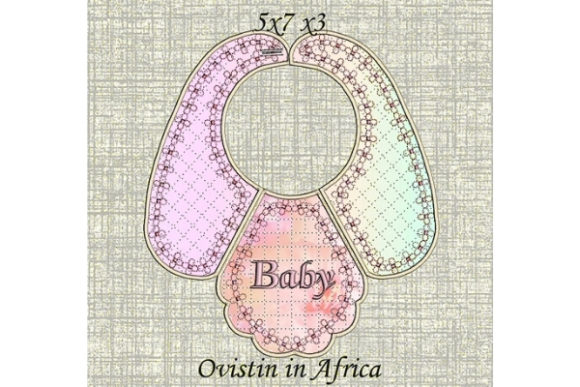
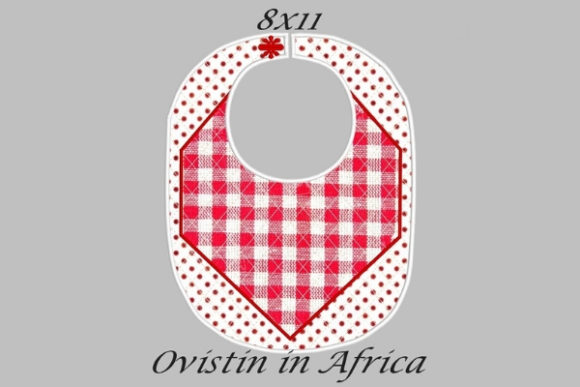
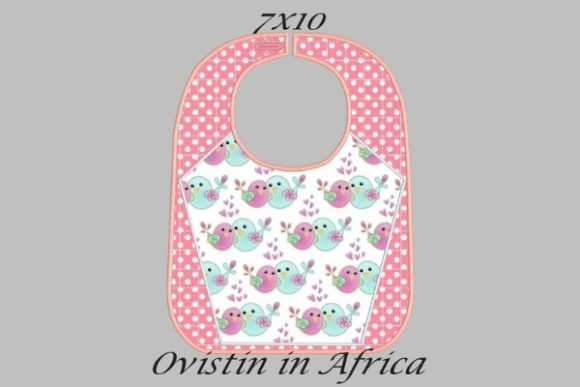
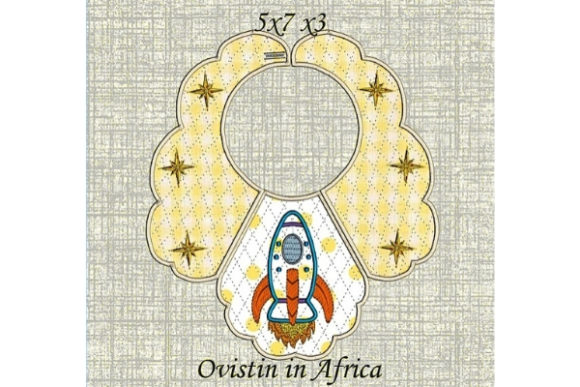
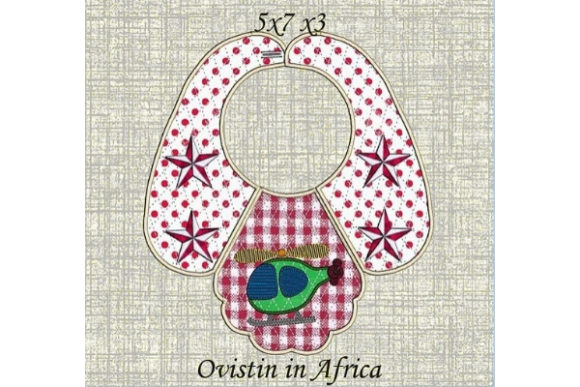
The product description notes it was digitized for small hoop embroidery machines and is constructed in three parts. This technical approach is a significant point for business use. Let’s explore practical applications.
Embroidered Patches for Uniforms & Merch
This design could be expertly adapted into an embroidered patch. Its segmented construction likely means good stitch density management, crucial for a durable patch that withstands washing on staff aprons, work shirts, or chef coats. A local café could use a smaller version as a sleeve detail on uniforms. A florist might add it as a chest logo accent on polo shirts. The playful helicopter could become a recognizable symbol for a business, especially when consistently used across various touchpoints.
Cap, Tote Bag, & Apron Embroidery
For cap embroidery, the smaller hoop compatibility is a major benefit. The design’s size and structure need to be tested on curved surfaces, but its likely moderate stitch count (inferred from the three-part process) suggests it could perform well on cap fronts without puckering. For tote bags and aprons—popular merchandise items for small shops—this design adds a unique, decorative mark. It transforms a generic apron into a branded asset for a bakery or handmade shop, increasing the product's value as a customer gift or event merch.
Product Packaging & Branded Labels
Imagine a small business selling handmade baby products or nursery items. Using a scaled-down version of the Cute Helicopter Baby Bib for Small Hoops design as an embroidered accent on product packaging tags or as a subtle label on blankets adds a layer of sophisticated, tactile branding. It signals quality and care, directly impacting customer trust and engagement.
Where to Use This Design with Care
Every design has limitations, and a professional review must highlight them. For commercial embroidery projects, consider these points.
- Small Patch Sizes: If reducing it for a very small patch (for a product label or tiny cap badge), test thoroughly. Ensure fine details like the helicopter outline remain clear.
- Thread Color Contrast: The original design’s color palette is unspecified. On dark uniforms or bags, you must select thread colors with high contrast for visibility.
- High-Density Fabrics: The three-part sew-out suggests managed density, but always test on the actual fabric texture you’ll use—like thick apron twill or canvas tote material—with proper stabilizer.
- Frequent Washing: For items like staff shirts that need frequent laundering, ensure your stitch settings and stabilizer choices maximize durability.
Impact on Brand Identity & Professionalism
Integrating a consistent design like this across your small business merch builds visual consistency. Whether it’s on an Etsy seller’s branded tote, a pet brand’s staff cap, or a boutique’s event giveaway apron, it creates a cohesive story. This helicopter motif, being unique and cute, fosters recognition. It makes a brand feel established and thoughtful, moving beyond generic stock logos. For a handmade brand, using a well-digitized embroidery file like this enhances the presentation of finished products, suggesting investment in quality digital embroidery file assets.
Practical Designer Notes for Commercial Use
Before running production for custom apparel or branded merchandise, follow these steps.
- Test in Black and White First: Sew a basic version to evaluate form and structure without color distractions.
- Check Small Patch Performance: Hoop it at the intended small patch size to confirm detail integrity.
- Review Thread Color Contrast: Plan palettes that work on both light and dark substrates.
- Inspect Spacing & Hoop Size: Confirm the design works within your specific small hoop constraints. The description mentions small hoop machines, but verify exact compatibility.
- Test on Real Fabric: Sew on samples of the actual fabric you’ll use for uniforms, bags, or aprons.
- Use Proper Stabilizer: This is non-negotiable for professional results on varied textures.
- Create a Printable Mockup: For client approval, generate mockups showing the design on caps, totes, and aprons.
- Compare Beside Other Assets: See how this design fits with your other brand elements for harmony.
- Confirm Commercial Licensing: The product description does not specify license terms. Always verify the embroidery file’s license permits commercial embroidery use before producing business merch.
The Cute Helicopter Baby Bib for Small Hoops presents an unexpected opportunity. Its design DNA—playful, structured for small hoops, and crafted in parts—translates well into the world of small business merch. By focusing on its application as an embroidered patch, a cap design, or a tote bag mark, you can leverage its friendly personality to build a stronger, more tactile brand identity.