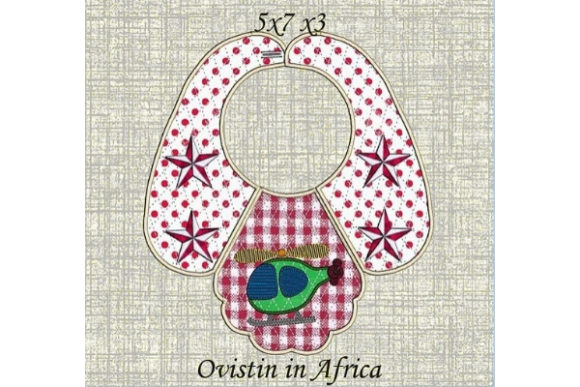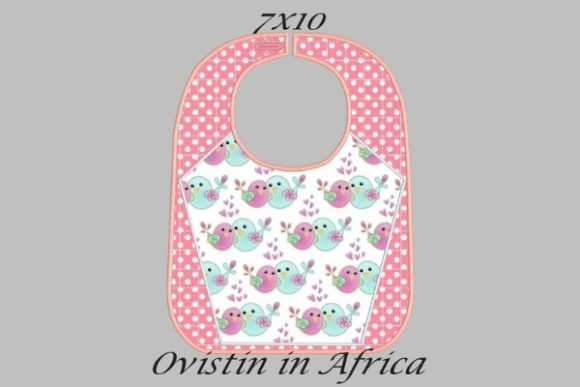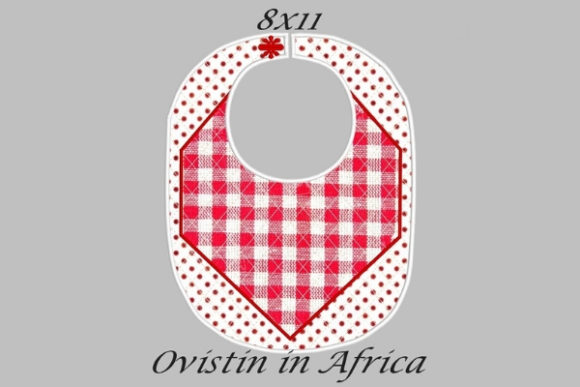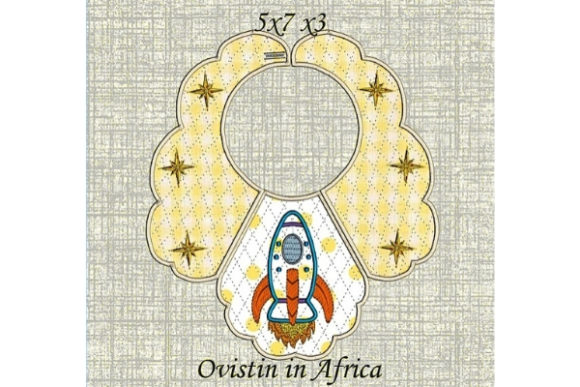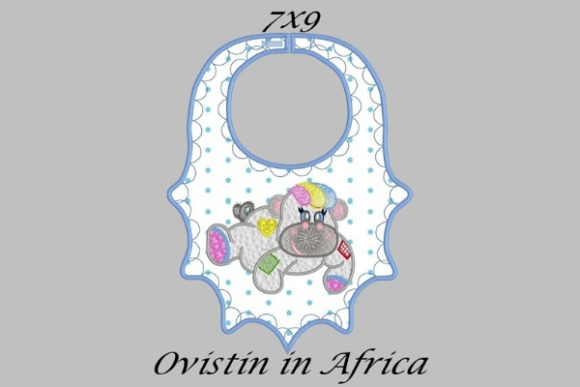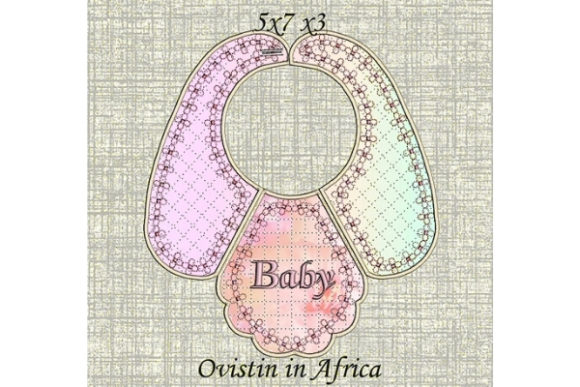
Pink Baby Bib Embroidery Design Review
Walking into the workshop, with a craft fair just weeks away, my first job is to review the digital embroidery files I’ll be turning into booth products. Today’s file: Pink Baby Bib for Small Hoops. The title alone tells me this is a Nursery category design, focused on Embroidery for small-scale projects. My mind immediately goes to my display table: tote bags, aprons, tea towels, caps, and those small, giftable items like pouches and pillow covers. Where will this baby bib design shine?
First Impressions: Soft, Cute, and Gift-Ready
The Pink Baby Bib for Small Hoops design, from its name and description, evokes a soft, cute, and decidedly decorative feel. It’s not bold or funny; it’s sentimental and premium. This is key. At a craft fair, handmade items with a gentle, personal touch often catch the eye of customers shopping for gifts. The “small hoop” specification suggests it’s meant as an accent, not a large focal piece. That’s perfect for the types of products I specialize in: items where a sweet, smaller design adds value without overwhelming the fabric.
Thinking about my booth, I imagine this design on a linen tea towel, a soft cotton pillow cover for a nursery, or a simple fabric pouch. These are products customers can immediately envision as a gift. The baby bib theme isn’t just a pattern; it’s a story. That story translates into a higher perceived value for a handmade product. The description mentions tutorials are included, which is a huge plus for ensuring quality results, especially when producing batch items for a fair.
Performance Across Craft Fair Products
Now, let’s get practical. How does this machine embroidery design perform on actual booth inventory? Here’s my real-world evaluation:
Top Sellers: Towels, Pouches, and Small Pillows
For tea towel embroidery, this design is a contender. The small, cute motif works beautifully on a corner of a high-quality linen or cotton towel. It feels decorative and special, turning a utilitarian item into a gift. The same applies to simple fabric pouches or small shop products like handkerchiefs. These are quick to produce and easy to price as impulse buys.
On apron embroidery, particularly a child’s apron or a sweet, vintage-style adult apron, the bib could be charming placed on a pocket or lower corner. It’s less likely to be a central design on a large market bag or tote, as the theme is too specific. For tote bag design, I’d probably reserve this for a small, baby-themed gift bag rather than a general-use bag.
Considerations for Caps and Patches
An embroidered patch of this design could be very popular. Parents might buy it to personalize a baby’s hat or blanket. However, curved cap surfaces require careful testing. Small lettering or intricate details on the bib design might lose clarity on curved, textured fabric. This is a crucial note: always test the design on scrap fabric mimicking your final product fabric.
For pillow covers, especially in a 12” or 14” size, the bib would be a lovely, subtle accent. It wouldn’t dominate the pillow but would add that handmade, thoughtful detail customers love in boutique nursery decor.
Practical Production and Selling Points
As an embroidery business owner prepping for a fair, production efficiency and visual appeal are everything.
Batch Production and Online Appeal
The Pink Baby Bib for Small Hoops seems highly repeatable. A cute, self-contained design like this is ideal for stitching in batches on a series of tea towels or pouches. Consistency is key for a professional booth display. Furthermore, this design should photograph beautifully for Etsy seller listings or printable mockups. The soft, pink theme and clear motif will be easy to understand at a glance online, which drives sales.
It works as a small accent, which means it won’t consume huge amounts of thread or time. This helps manage cost and allows for a faster turnaround when building inventory. However, the description mentions it’s digitized for “small hoop em.” I need to confirm hoop size and check stitch density before running multiple items. Dense stitch areas on thin fabrics like tea towels can pucker without the correct stabilizer. Always create at least one real mockup on your intended product fabric.
Attention, Value, and Booth Display
In the bustling environment of a craft fair, this design’s strength is its niche appeal. It won’t shout to everyone, but it will powerfully attract customers shopping for baby gifts, nursery items, or sentimental presents. Grouping products with this design together—a towel, a pouch, a small pillow—creates a themed section in your booth. This enhances brand consistency and booth display strength. A customer sees you’ve thoughtfully curated a collection, which increases engagement and trust.
The handmade quality is conveyed through clean stitching. Using high-contrast, quality threads on appropriate fabrics (like white linen for the pink design) makes the product feel premium. I advise compare fabric colors in advance. On dark fabrics, the pink may need a very bright thread or might not be suitable; always check thread contrast.
Careful-Use Notes for the Professional
Every digital embroidery file requires a technical review before commercial embroidery production. Based on the title and common sense, here are my notes for using this baby bib design:
- Tiny Details: If the bib design includes very small elements or lettering (like “baby” or tiny patterns), be cautious stitching it on textured towels or thick fabric. These details may fill in or lose definition.
- Stitch Density: Baby-themed designs often have filled areas. Test the stitch density on your fabric. High density on a bib-shaped area might require a heavier stabilizer to prevent fabric distortion, especially on lightweight items like pouches.
- Size Scaling: The design is for small hoops. Resist enlarging it significantly for larger items like pillow covers unless you’ve verified the digitizing holds up. Larger sizes can expose poor review spacing and make stitches look sparse.
- Final Licensing Check: The description doesn’t specify license terms. Before selling finished products at a fair or online, I must confirm commercial licensing for this embroidery file. This is a non-negotiable step for any craft fair product.
Turning a Digital File into Booth Success
In the end, the Pink Baby Bib for Small Hoops is a promising design asset for creative entrepreneurs targeting the gift and nursery market. Its appeal is specific, which is a strength when displayed correctly. My plan is to stitch it on a selection of high-quality, gift-ready tea towels and soft cotton pillow covers. I’ll make one standout sample—perhaps on a small market bag meant for a baby’s essentials—to serve as a eye-catching booth sample.
The real test, as always, is in the hands of the customer. A well-embroidered, cute design on a useful product tells a story of care and craftsmanship. That story is what sells at a handmade market. By focusing on the right products, checking the technical details, and presenting it within a cohesive theme, this pink baby bib design can move from a digital file to a successful, sentimental finished product on my craft fair table.